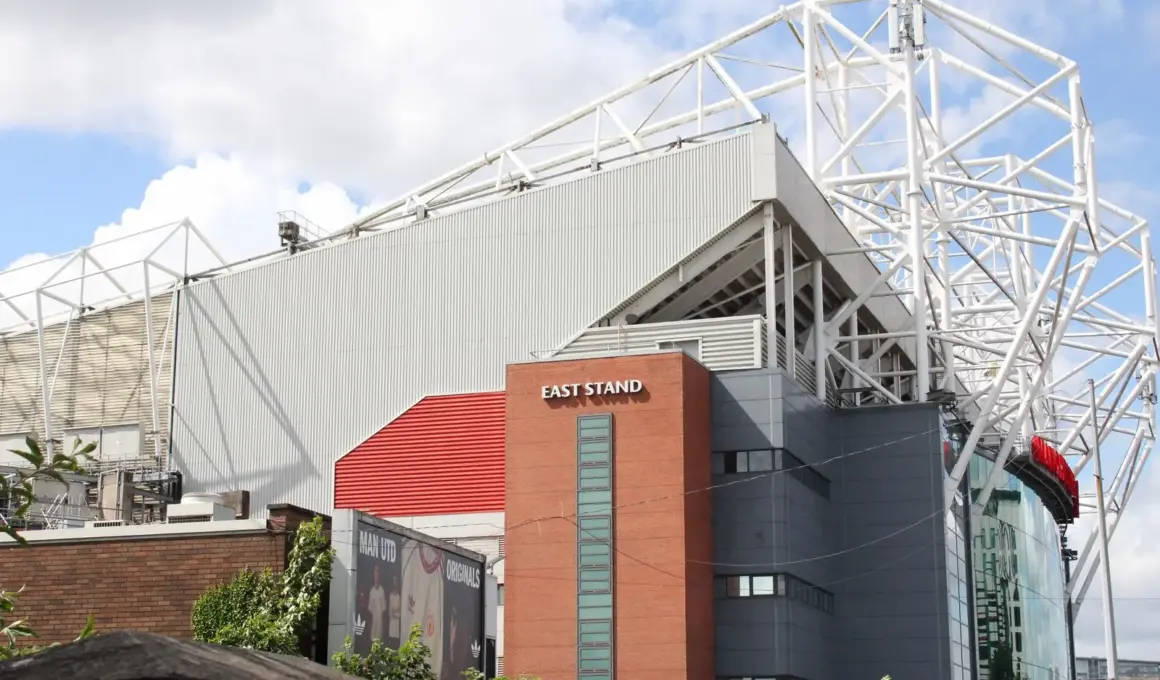

Manchester United have sacked Michael Carrick as head coach, only months after handing him the job on a permanent basis. The club confirmed the decision on Thursday 12 November, saying a change was needed after a disappointing start to the season and that it would appoint a permanent successor as quickly as possible.
It is the first time in United’s history that the club has dismissed two managers in the same calendar year. Carrick replaced Ruben Amorim, who was sacked in January.
Why Manchester United sacked Michael Carrick
The numbers left Carrick little room. United are 18th in the Premier League with eight points from their first 10 matches, having won once, drawn five times and lost four. It is the club’s worst start to a top-flight season since 1986/87, the campaign in which Ron Atkinson was replaced by Sir Alex Ferguson.
Across all competitions, United have won three of 15 games. The season began with an opening-day defeat to newly promoted Hull City on 22 August, and the only league win came against Ipswich Town later that month. United went out of the League Cup in the third round, losing 3-2 at Brighton in September.
The Champions League has been mixed, with two wins and two defeats so far, including a late comeback against Roma. But a 4-1 defeat at Como in October was followed by a 3-0 home loss to Bournemouth and a 2-0 defeat at Chelsea, where Lisandro Martinez gave away a penalty and was sent off.
Carrick’s final game was a chaotic 4-4 draw with Aston Villa at Old Trafford on Sunday. United were 2-0 down inside four minutes and needed stoppage-time goals from Joshua Zirkzee and Patrick Dorgu to rescue a point. Defensively, only Crystal Palace and Ipswich had conceded more league goals than United’s 19 going into the international break.
Tension in the dressing room
Results were not the only problem. After the defeat at Como, captain Bruno Fernandes publicly questioned the team’s pressing and the space it left behind, comments widely read as criticism of the coaching staff’s tactics. Carrick left him out for the Bournemouth game before restoring him for the trip to Chelsea. Martinez had earlier suggested that both the players and those above them at the club needed to do more.
The episode fed a sense that Carrick was losing control of a squad he had lifted so quickly the season before. BritishGambler readers may remember our interview in which former United striker Alan Smith argued that Fernandes was the worthy captain, and his role in the squad will be a key question for whoever comes next.
From interim success to early exit
The speed of the fall is striking given what came before. Carrick, a former United midfielder who played more than 450 times for the club, returned as interim head coach in January 2026. He won 12 of his 17 league matches, losing just two, and guided United to third place and a return to the Champions League. That run earned him the job full-time in the summer.
In its statement, the club thanked him for his work and made clear his standing at Old Trafford is unchanged: “Michael is, and always will be, a Manchester United legend.” Many supporters have stood by Carrick, directing their frustration towards the club’s owners instead.
Pochettino linked with the job
Attention has quickly turned to the succession. Several reports, including from the PA news agency, say Mauricio Pochettino is in line to take over. The Argentine, 54, is currently head coach of the United States men’s national team and has previously managed Southampton, Tottenham Hotspur and Chelsea in the Premier League. United had not confirmed any appointment at the time of writing.
If a deal is completed during the international break, Pochettino would become United’s eighth permanent manager since Ferguson retired in 2013. The first test would be a difficult one: United’s next league match is away at Liverpool on Sunday 22 November.
Coverage of the sacking and the club’s statement has been carried by The National and NBC Sports. For more United stories, read former defender Paul Parker’s memories of his Manchester United playing days.